
glass panel for table top
Read More About hydraulic check valve types Introduction The Slow Closing Check Valve has become a critical component in modern fluid control systems, offering enhanced efficiency and reliability. Among the leading manufacturers in this domain is Storaen (Cangzhou) International Trading Co. , a company known for its innovative solutions in industrial machinery. This article delves into the features, advantages, technical specifications, application scenarios, and company background of the 300X Slow-Closing Muffler Check Valve, a product that exemplifies the synergy between advanced engineering and practical utility. Key Features of the 300X Slow-Closing Muffler Check Valve The 300X Slow-Closing Muffler Check Valve is designed with a novel structure that addresses common challenges in fluid control systems. One of its standout features is the good sealing effect , which minimizes leakage and ensures operational efficiency. This is particularly crucial in high-pressure environments where even minor leaks can lead to significant energy losses or safety hazards. The valve also boasts low resistance and large flow capacity , allowing for smooth and uninterrupted fluid movement. These attributes make it ideal for applications requiring high throughput, such as water supply systems, industrial pipelines, and HVAC systems. Additionally, the long service life of the valve reduces maintenance costs and downtime, offering a cost-effective solution for businesses. Advantages of the Slow Closing Mechanism A defining characteristic of the 300X Slow-Closing Muffler Check Valve is its slow closing mechanism , which allows for precise control over the opening and closing speed of the main valve. This feature is particularly beneficial in mitigating the effects of water hammer , a phenomenon that occurs when fluid flow is abruptly stopped, causing pressure surges that can damage pipelines and equipment. The valve's adjustable design enables users to adjust the closing speed to match the specific requirements of their system. This adaptability ensures optimal performance in diverse environments, from municipal water networks to industrial cooling systems. Furthermore, the muffling effect achieved through the slow closing mechanism reduces noise pollution, making it a preferred choice for urban and residential areas. Technical Specifications Parameter Specification Model 300X Material Stainless Steel, Cast Iron Flow Capacity Large (varies by size) Pressure Rating Up to 300 psi Sealing Type Double-acting Piston Adjustable Closing Speed Yes (user-configurable) Service Life 10+ years (with regular maintenance) Application Scenarios The 300X Slow-Closing Muffler Check Valve is versatile, finding applications in a wide range of industries. In water supply systems , it ensures stable pressure and prevents water hammer, which is critical for maintaining the integrity of pipelines. In industrial pipelines , the valve's high flow capacity and durability make it suitable for handling large volumes of fluids under varying conditions. In HVAC systems , the valve's noise-reducing capabilities enhance comfort in residential and commercial buildings. Additionally, the adjustable closing speed makes it ideal for cooling systems where precise temperature control is essential. The valve's reliability also makes it a preferred choice in chemical processing plants , where it helps manage hazardous fluids safely. Company Background: Storaen (Cangzhou) International Trading Co. Storaen (Cangzhou) International Trading Co. is a prominent player in the global industrial machinery market, specializing in the design, manufacturing, and distribution of high-quality fluid control solutions. With a strong focus on innovation and customer satisfaction, the company has established itself as a trusted supplier for businesses seeking reliable and efficient equipment. Storaen's commitment to quality assurance is evident in its rigorous testing processes and adherence to international standards. The company's product development team continuously explores new technologies to enhance the performance of its offerings. This dedication is reflected in the 300X Slow-Closing Muffler Check Valve , which combines cutting-edge engineering with practical usability. Why Choose Storaen's Slow Closing Check Valve? Choosing the 300X Slow-Closing Muffler Check Valve from Storaen (Cangzhou) International Trading Co. offers several advantages. The valve's novel structure and adjustable closing speed ensure optimal performance in diverse applications. Additionally, the company's customer support and after-sales service provide peace of mind, ensuring that users receive the necessary guidance and assistance throughout the product lifecycle. Storaen's global reach further enhances its appeal, as the company caters to clients across multiple regions. This ensures that businesses can access the 300X Slow-Closing Muffler Check Valve efficiently, regardless of their location. Conclusion The 300X Slow-Closing Muffler Check Valve by Storaen (Cangzhou) International Trading Co. represents a significant advancement in fluid control technology. With its novel structure , low resistance , and adjustable closing speed , the valve addresses the unique challenges of modern industrial and municipal systems. Its long service life and muffling effect further underscore its value as a reliable and efficient solution. For businesses seeking to enhance the performance and longevity of their fluid control systems, the 300X Slow-Closing Muffler Check Valve is an excellent choice. By partnering with Storaen (Cangzhou) International Trading Co. , users gain access to a product that combines innovation, durability, and customer-centric support. References National Institute of Standards and Technology (NIST) plays a pivotal role in advancing measurement science and technology. While the specific standards for check valves may not be directly referenced here, NIST's work in fluid dynamics and industrial standards provides a foundational framework for the development of such technologies. For more information, visit the NIST website . NIST is an agency of the U.S. Department of Commerce, dedicated to promoting innovation and industrial competitiveness through measurement science. Their research and standards contribute to the reliability and efficiency of industrial equipment, including fluid control systems.
about
glass panel for table top
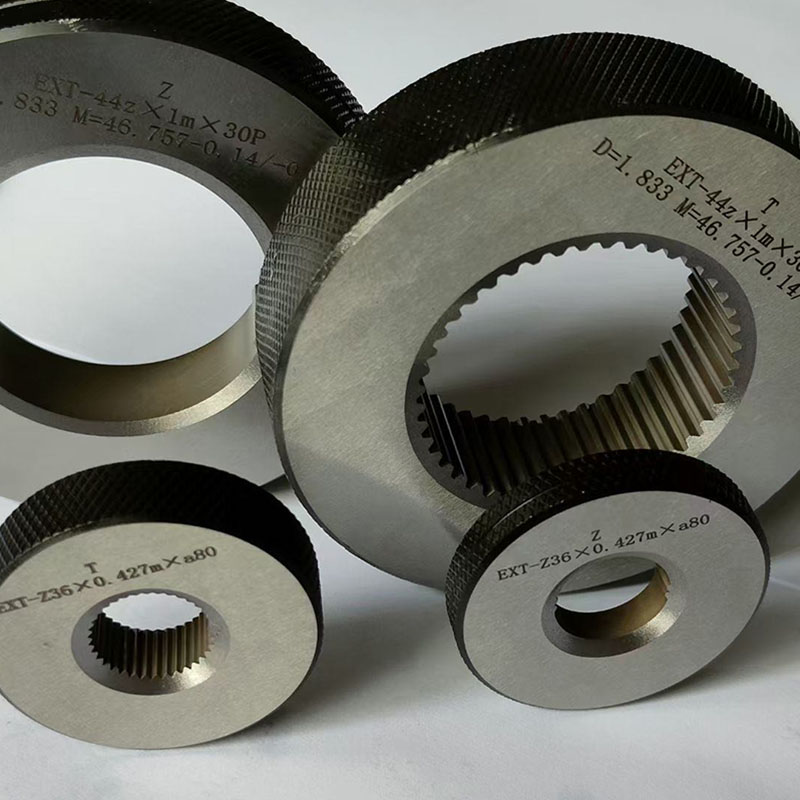
In the world of precision engineering, manufacturing, and quality control, accuracy is the cornerstone of reliability. Among the tools that ensure this accuracy, ring gauge , ring gauge measurement , and plain ring gauges stand out as indispensable instruments. These specialized devices play a critical role in verifying the dimensions of cylindrical parts, ensuring they meet strict industrial standards and perform as intended. From automotive components to aerospace parts, their use spans across industries where even the smallest deviation can lead to costly failures. In this guide, we’ll explore their functionality, importance, and best practices, highlighting their role in maintaining precision across manufacturing processes. The Fundamental Role of Ring Gauge in Precision Engineering Ring gauge is a precision tool designed to measure the outer diameter of cylindrical objects, serving as a benchmark for accuracy in manufacturing and engineering. Crafted from high-strength materials like tool steel or carbide, ring gauge is engineered to maintain tight tolerances, ensuring consistent and reliable measurements over time. At its core, a ring gauge acts as a “go/no-go” device, verifying whether a part’s outer diameter falls within acceptable limits. A “go” gauge is designed to fit over a properly sized part, while a “no-go” gauge should not fit if the part exceeds the maximum allowable dimension. This simple yet effective method allows manufacturers to quickly assess part quality during production, reducing the risk of defective products reaching the market. Unlike digital measuring tools, ring gauge provides tactile feedback, making it easy to use even in noisy or busy factory environments. Its durability and resistance to wear also make it a long-lasting investment, critical for industries where precision is non-negotiable. Whether used in small workshops or large-scale production lines, ring gauge is a foundational tool for ensuring dimensional accuracy. How Ring Gauge Measurement Ensures Accuracy in Manufacturing Ring gauge measurement is a cornerstone of quality control, providing a standardized method to verify that cylindrical parts meet design specifications. This process is essential in industries like automotive, aerospace, and medical device manufacturing, where even minor dimensional deviations can compromise performance or safety. The key advantage of ring gauge measurement is its efficiency and reliability. Unlike manual calipers, which require operator skill to achieve consistent results, ring gauge measurement eliminates subjectivity: a part either fits the “go” gauge or not, providing clear pass/fail feedback. This speed makes it ideal for high-volume production, where quick inspections are necessary to maintain workflow efficiency. Additionally, ring gauge measurement ensures consistency across shifts and operators, as the gauge itself serves as a universal reference. By integrating this measurement method into quality control protocols, manufacturers can reduce waste, minimize rework, and build trust in their product quality. For critical applications—such as engine components or surgical tools—ring gauge measurement is not just a best practice; it’s a necessity. Key Features of Plain Ring Gauges for Industrial Applications Plain ring gauges are a specific type of ring gauge designed for measuring smooth, non-threaded cylindrical parts, making them versatile across countless industrial applications. Their design focuses on simplicity and precision, with features tailored to ensure accurate and repeatable measurements. Feature of Plain Ring Gauges Description Industrial Benefit Precision Ground Bore The inner diameter is ground to tight tolerances. Ensures accurate measurement of part outer diameters. Hardened Material Made from tool steel or carbide, heat-treated for wear resistance. Extends lifespan, even with frequent use in busy production environments. Smooth Surface Finish Polished inner bore to prevent damage to measured parts. Avoids scratching or marring delicate components during inspection. Clear Markings Engraved with size, tolerance class, and calibration date. Ensures traceability and compliance with quality standards. Plain ring gauges are available in a range of sizes, from small diameters for micro-components to large gauges for industrial pipes or shafts. Their simplicity makes them easy to use and maintain, requiring minimal training for operators. Unlike threaded ring gauges, which are designed for specific thread profiles, plain ring gauges offer flexibility, adapting to any smooth cylindrical part—making them a staple in general manufacturing settings. Best Practices for Maintaining Ring Gauge Calibration and Longevity To ensure ring gauge remains accurate and reliable, proper maintenance and calibration are essential. These precision tools are subject to wear over time, and environmental factors like temperature or humidity can affect their dimensions—making regular care critical for preserving their performance. Follow these best practices to maintain your ring gauge : Handle with Care : Always hold gauges by their outer surfaces, avoiding contact with the inner bore, which can be scratched by oils, dirt, or rough handling. Clean Regularly : After use, wipe the gauge with a lint-free cloth and mild solvent to remove debris or coolant, preventing buildup that could distort measurements. Store Properly : Keep gauges in a protective case or cabinet, away from extreme temperatures, moisture, or direct sunlight. Avoid stacking gauges to prevent warping. Calibrate Periodically : Have gauges calibrated by a certified lab at regular intervals (typically annually) to verify they still meet tolerance standards. Document calibration dates for traceability. Avoid Misuse : Never use a ring gauge as a hammer, pry tool, or storage container, as physical damage can permanently alter its dimensions. By following these steps, you can extend the lifespan of your ring gauge and ensure it continues to provide accurate measurements for years to come. FAQS a bout Ring Gauge, Ring Gauge Measurement, and Plain Ring Gauges What is a ring gauge and how is it used in manufacturing? A ring gauge is a precision tool with a precisely ground inner bore, used to measure the outer diameter of cylindrical parts. In manufacturing, it functions as a “go/no-go” device: a part passes inspection if it fits the “go” gauge (within acceptable dimensions) and does not fit the “no-go” gauge (exceeding maximum limits). This quick, objective method ensures parts meet design specifications. How does ring gauge measurement differ from using digital calipers? Ring gauge measurement provides a pass/fail assessment based on fit, eliminating operator subjectivity. Digital calipers, while precise, require manual alignment and reading, which can introduce variability between users. Ring gauge measurement is faster, more consistent, and ideal for high-volume production, while calipers are better for detailed dimensional data on individual parts. What makes plain ring gauges suitable for checking cylindrical parts? Plain ring gauges are designed with a smooth, precision-ground inner bore that matches the desired outer diameter of cylindrical parts. Their hardened, wear-resistant material ensures durability, while their simple design allows for quick, repeatable inspections. They are versatile enough to check any non-threaded cylindrical part, from small bolts to large pipes, making them a universal tool in manufacturing. How often should ring gauge calibration be performed to maintain accuracy? Ring gauge calibration should be performed annually under normal usage conditions. However, gauges used in harsh environments (e.g., high humidity, frequent contact with coolants) or for critical applications may require more frequent calibration (every 6 months). Regular calibration ensures the gauge’s dimensions remain within tolerance, preserving measurement accuracy. Can plain ring gauges be customized for specific industrial needs? Yes, plain ring gauges can be customized to meet specific industrial requirements. Manufacturers offer custom sizes, tolerance classes, and materials (e.g., carbide for extreme wear resistance) to match unique part dimensions or environmental conditions. Custom engravings for part numbers or standards compliance are also available, making them adaptable to specialized manufacturing processes. At [Storaen (Cangzhou) International Trading Co.], we specialize in providing high-quality ring gauge , plain ring gauges , and expert support for ring gauge measurement processes. Our gauges are crafted from premium materials, precision-ground to tight tolerances, and calibrated to meet industry standards—ensuring reliability for even the most critical applications.
-

High quality industrial productsagement

High quality industrial products
View Details -

Meet the diverse needs of customers

Meet the diverse needs of customers
View Details -

Strict quality control

Strict quality control
View Details -

Top raw materials

Top raw materials
View Details -

Trusted supplier

Trusted supplier
View Details
Our application


news and information

valve metal
The Significance of Valve Metals in Modern Technology Valve metals play a crucial role in various in

Y Type Strainer Valve for Efficient Fluid Filtration and Flow Control
Understanding Y-Type Strainer Valves Importance and Applications In various industrial and commercia
valve manufacturer
Navigating the landscape of valve manufacturers can be a challenging endeavor, particularly when sea
 English